Expert Siding Solutions: Professional Repair and Installation Advice for Any Home Style
Specialized siding experts deliver important information regarding the restoration and fitting of siding adapted to diverse house architectures. Comprehending the subtleties of various materials and their suitability with structural styles is essential. Moreover, acknowledging critical aspects for proper implementation secures lasting quality and design charm. As homeowners navigate their options, they often face common challenges that require informed decisions. Examining these features could provide increased defense and aesthetic value for all properties.
Comprehending Diverse Siding Materials: Advantages and Disadvantages
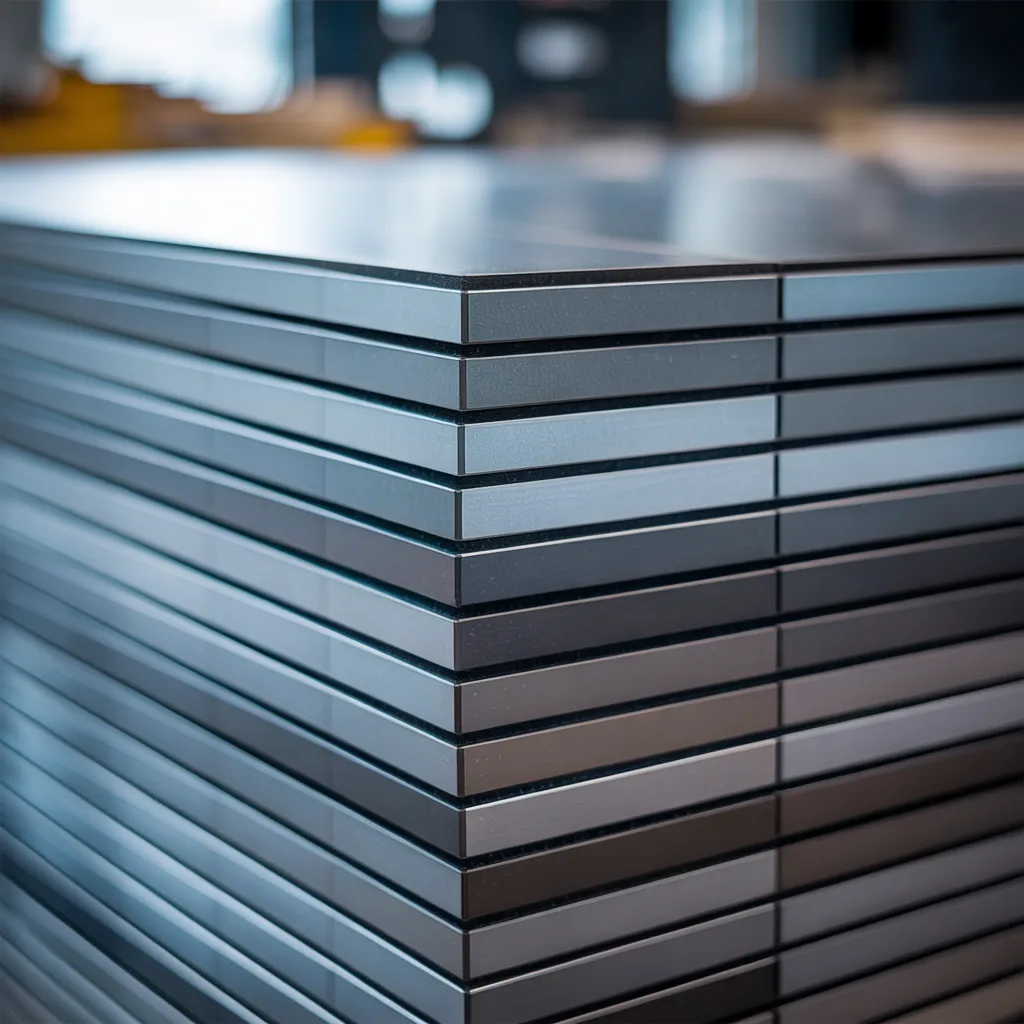
When homeowners consider siding options, they often find themselves maneuvering a range of materials, each with specific strengths and weaknesses. Vinyl siding, popular for its affordability and low maintenance, may fade with exposure and lacks the thermal properties of different options. Wood siding, while attractive and delivering quality insulation, needs consistent upkeep to avoid decay and insects. Fiber cement siding merges resilience with a wooden appearance, but its setup may be pricier and require more effort. Aluminum siding, noted for its corrosion-proof nature, is prone to denting and could need repainting. In conclusion, brick and stone offer superior resilience and insulation but come with a higher price tag and can be heavy. All materials display unique attributes, making it vital for homeowners to evaluate their needs—whether budget, looks, or care—before making a decision. Understanding these pros and cons is crucial for determining the appropriate siding material.
Choosing the Right Siding Style for Your Property
Choosing the right siding style for a home entails more than just visual appeal; it necessitates careful consideration of the property's architecture, local climate, and the homeowner's personal taste. Different architectural styles, such as colonial, modern, or craftsman, may demand specific siding types to maintain aesthetic harmony. For instance, traditional clapboard may suit a historic home, while sleek, horizontal panels might complement a contemporary design.
In addition, regional weather conditions plays an essential role in siding choice. Homes in areas prone to moisture may benefit from materials resistant to rot, including fiber cement or vinyl, while those in more extreme climates may opt for insulated siding to improve energy efficiency. Home owners should also think about their personal choices, reviewing color, texture, and maintenance needs. Finally, the right siding style should suit the property's character while delivering durability and functionality appropriate for the environment.
Top Factors to Ensure a Successful Siding Installation
Effective siding installation depends on several key factors that can considerably impact the end outcome. First, appropriate material selection is critical; different materials offer varied durability, insulation, and aesthetic appeal. Next, accurate measurements of the home's exterior are critical to ensure a perfect fit, minimizing gaps and potential leaks.
Moreover, the selection of installation technique can significantly affect performance; approaches such as nailing patterns and overlaps should adhere to manufacturer guidelines. Weather conditions during installation also serve a significant role; extreme temperatures or moisture can hinder adhesion and lead to future issues.
Ultimately, employing skilled professionals or making sure DIYers hold the needed expertise is imperative for obtaining quality results. Tackling these factors will result in a successful siding installation, improving the home's look and longevity while ensuring protection against the elements.
Key Instruments for Effective Siding Repair Procedures
An array of essential tools can significantly enhance the effectiveness of siding repair processes. Initially, a quality utility knife is critical for accurate cuts in siding material, guaranteeing clean edges for a better fit. In addition, a pry bar is invaluable for removing damaged pieces without affecting surrounding panels. A level is essential to ensure that new siding aligns properly, maintaining aesthetic quality and functionality.
In addition, a measuring tape ensures accurate measurements, eliminating costly mistakes. A nail gun can significantly speed up the installation process, delivering consistent and secure fastening. For working with vinyl siding, a siding removal tool is valuable for altering and replacing panels without damage. In conclusion, a caulking gun is crucial for sealing gaps, enhancing weather resistance. As a set, these tools provide the foundation for effective siding repairs, empowering homeowners to achieve professional-quality results in their projects.
Siding Maintenance Tips for Extended Lifespan
Proper maintenance is essential for prolonging the lifespan of siding, guaranteeing that the investment in quality materials pays off over time. Regular inspections should be carried out to detect any signs of damage, such as cracks, warping, or mold. Promptly addressing these issues can stop further deterioration. Cleaning the siding at least twice a year is essential; using a soft solution of soap and water helps remove dirt and mildew without causing harm. Additionally, homeowners should verify that gutters and downspouts are clear to stop water damage. Applying a protective sealant or paint every few years can also improve durability, especially for wood siding. Moreover, trimming vegetation that touches the siding helps minimize moisture retention and pest infestations. By following these maintenance practices, homeowners can significantly prolong the life of their siding, maintaining both its aesthetic appeal and structural integrity.
Creating a Budget for Your Siding Project
Organizing a siding project requires thorough budgeting to ensure that costs align with homeowner expectations and financial capacity. First, homeowners should establish the type of siding material—vinyl, wood, fiber cement, or metal—as each carries different costs. It is essential to account for both materials and labor, which can vary significantly based on local market rates and the complexity of the installation.
After this, homeowners should evaluate additional expenses including permits, disposal of old siding, and any necessary repairs to the underlying structure. Preparing a detailed list of all potential costs can help dodge unexpected financial strain.
Establishing a budget must also incorporate a contingency fund, typically approximately 10-20% of the total project cost, to handle unexpected expenses. By making a priority of clear communication with contractors and sticking to a budget, homeowners can ensure a more efficient, more successful siding project that meets their design and budgetary needs.
Common Siding Problems and How to Fix Them
Typical siding concerns can considerably impact the structural soundness of a home, with damaged or cracked panels and moisture-induced mold being common concerns. Homeowners should be cognizant of the signs of these concerns and understand how to resolve them effectively. Prompt repairs and preventive measures can help copyright the siding's condition and extend its lifespan.
Cracked Or Damaged Panels
Upon discovering fractured or deteriorated siding panels, it often signifies underlying issues that demand urgent care. These issues can arise from multiple causes, for example severe weather patterns, poor installation, or wear from aging. Overlooking this damage may create larger issues, like compromised insulation and higher utility bills.
To repair cracked or damaged panels, homeowners should first assess the scope of the damage. Slight cracks can frequently be mended with caulk or sealing compound, while bigger issues may necessitate panel replacement. For wooden or vinyl siding, it is crucial to match the repair materials with what's already there for a consistent look. Routine inspections and maintenance can avoid subsequent damage, guaranteeing the home remains visually appealing and protected.
Moisture And Mold Issues
Moisture and mold problems frequently occur in siding when homeowners fail to fix leaks or poor ventilation. Over time, trapped moisture can cause mold growth, which not only compromises the integrity of the siding but also creates health risks. Frequent symptoms include discoloration, a musty odor, and visible mold spots. To tackle these issues, homeowners should first locate and fix any leaks or gaps in the siding. Additionally, improving ventilation in attics and crawl spaces can substantially reduce humidity levels. If mold is present, it is essential to clean the affected areas with suitable mold-removal solutions. In severe cases, replacement of damaged siding may be required to prevent recurrence and protect the structural integrity of the home.
Common Questions
How Much Time Does a Standard Siding Installation Require?
A standard siding installation typically takes between three to five days, depending on the in-depth guide size of the home, the type of siding material, and the complexity of the installation process, including environmental conditions and crew efficiency.
Is It Better to Install Siding Myself or Hire a Professional?
Property owners can decide to install siding on their own, provided they have the necessary skills and tools. Nevertheless, employing a professional can guarantee higher quality, productivity, and compliance with local building codes, ultimately serving the homeowner.
Which Permits Are Required for Siding Work?
Most often, building permits are needed for the installation of siding. It's advisable for homeowners to consult local regulations to ensure specific requirements, which may vary by region, maintaining compliance with zoning laws and safety standards during the installation process.
How Can I Choose a Siding Color That Enhances My Home?
To choose a siding color that complements a home, one should consider the architectural style, existing exterior elements, and surrounding environment. Furthermore, consulting color swatches in different lighting can help ensure a harmonious selection.
What Warranty Coverage Is Available for Siding Materials and Installation?
Multiple warranties can be found for siding materials and installation, including manufacturer warranties covering defects, labor warranties offered by installers, and extended warranties for particular products. Homeowners should examine warranty terms to ensure thorough coverage for their siding investments.