Revitalize Your Property: Essential Facts Regarding Home Renovation Work for Every Homeowner
Many householders want to find options to upgrade their living spaces by using renovation services. Such undertakings may vary from kitchen upgrades to complete home renovations. Being aware of the possibilities is necessary to deciding wisely. Furthermore, there exist tangible aspects like budgeting and contractor selection. When property owners embark on this process, they could face unforeseen difficulties. Achieving a successful makeover depends on meticulous preparation and implementation. What should be done subsequently?
Grasping the Diverse Forms of Residential Renovation Work

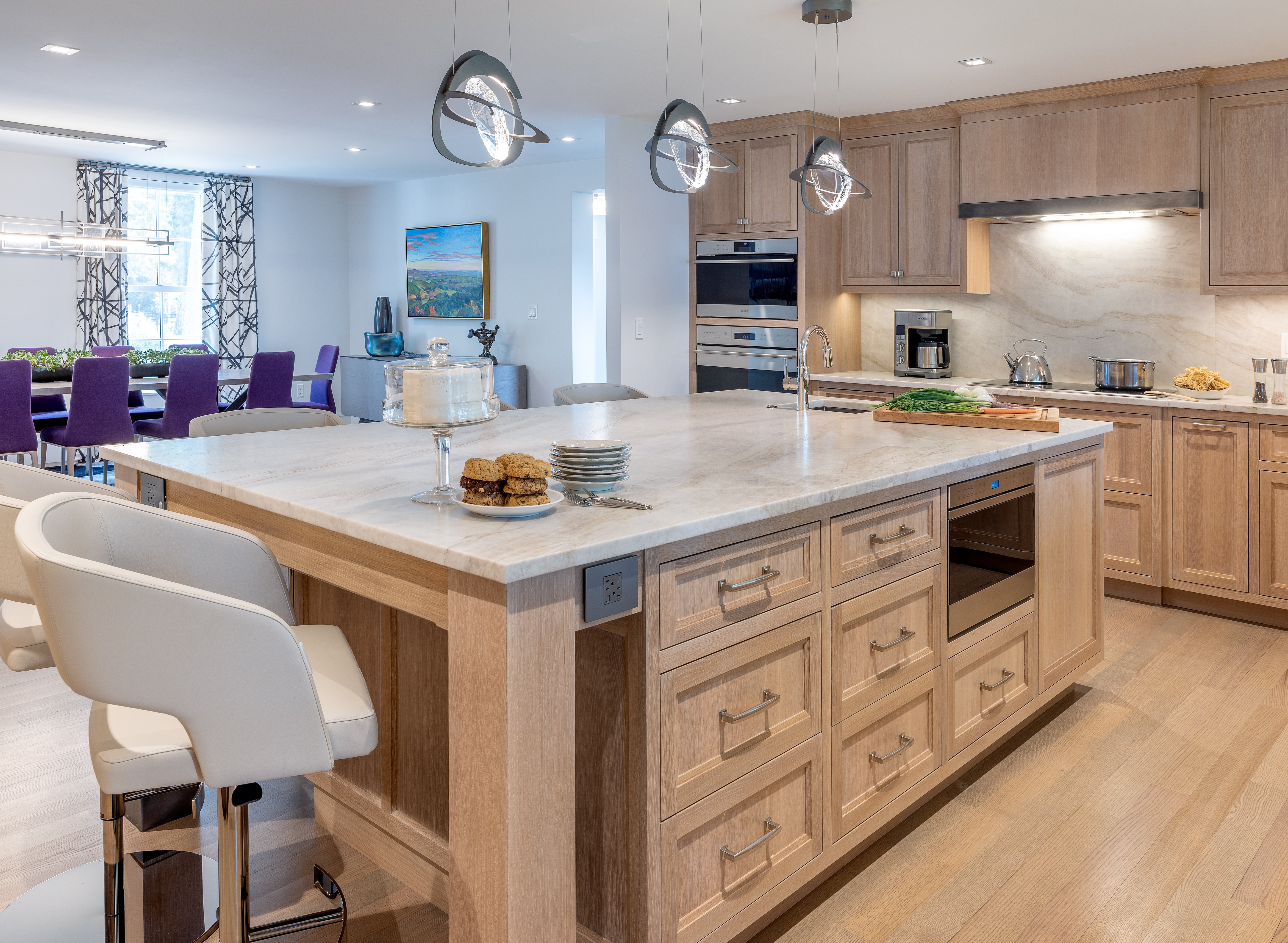
As householders look to improve their living spaces, they frequently come across a variety of remodeling services tailored to different needs and preferences. These options can be widely classified into various categories, each focusing on particular areas of house upgrades. Kitchen renovations center on upgrading equipment, cabinetry, and the design to enhance functionality and aesthetics. Bathroom upgrades generally mean upgrading fixtures, the ceramic work, and shelving options for greater ease and style.
Whole-home remodeling encompasses major alterations across the property, sometimes requiring major structural work to maximize the area and layout. External improvement work, in contrast, concentrate on enhancing the property's street view, addressing siding, roofing, and landscaping. Furthermore, specific options such as completing the basement and attic conversions allow homeowners to maximize unused areas. Every renovation category delivers specific perks, allowing property owners to select choices that fit their desired outcome for their living environment. Grasping these differences is vital for choosing wisely while undertaking the upgrade.
Establishing a Practical Spending Plan for Your Remodeling Project
How do property owners make certain their remodeling projects remain financially viable? Setting a practical budget is necessary. Property owners must start by assessing their monetary resources, including savings and potential financing options. This first stage will help determine how much can be allocated for the updating project without jeopardizing other monetary duties.
Next, homeowners must research the costs associated with their desired renovations, including materials, labor, and surprise expenses that tend to crop up. Making an exhaustive list of needs will assist in identifying must-haves versus nice-to-haves, allowing for adjustments if the budget tightens.
It is smart to incorporate a reserve fund, usually about 10-20% of the overall cost, to cover unexpected costs. Frequently checking and modifying the budget throughout the remodeling process is also useful for preserving fiscal oversight. Finally, a thoroughly prepared budget not only guarantees project viability but also enhances the overall remodeling experience for homeowners.
Finding the Best Contractor for Your Needs.
Selecting the right contractor can significantly affect the outcome of an updating effort. It is recommended that homeowners start by performing extensive investigation, looking for suggestions from acquaintances, relatives, or web feedback. It is crucial to check qualifications, like licenses, insurance, and bonds, to confirm legitimacy.
After suitable professionals have been found, they should seek detailed cost breakdowns and timeframes, making it possible to compare options knowledgeably. Discussions reveal their approach to dialogue and their level of expertise, which are crucial for working together effectively.
Furthermore, review examining previous work via portfolios or referrals can reveal a contractor's quality of workmanship. Property owners must also ask about guarantees or assurances, which shows the professional's belief in their output.
Ultimately, selecting a contractor who aligns with the homeowner’s vision, budget, and timeline creates a better renovation journey, ensuring the work fulfills requirements and transforms the living space effectively.
Organizing and Conceptualizing Your Ideal Space.
When property owners picture their perfect areas, thorough preparation and well-considered layout form vital parts of a triumphant renovation effort. The first step involves evaluating current needs and future aspirations, which permits a comprehensive grasp of the room's intended function. Owners must take into account functionality, aesthetics, and their individual taste, making sure the design captures their distinctive choices.
Subsequently, developing a comprehensive budget is essential. This budget should accommodate supplies, workforce costs, and contingency funds. Consulting with design experts can provide valuable insights, helping to optimize the space and respecting budgetary constraints.
Including features such as natural light, spacious designs, and sustainable materials can improve the final result. In conclusion, visualizing the project through sketches or digital renderings can aid in refining ideas before implementation. When handling the initial design phase deliberately, homeowners can create an inviting, efficient space tailored to their lifestyle.
Dealing with Permits and Building Codes in House Renovation
Understanding the complexities of permits and regulations can be daunting for homeowners embarking on a renovation. Each municipality has specific rules that govern what can be done during renovations, typically guided by zoning laws, construction standards, and security requirements. Owners need to acquaint themselves with local regulations so they don't incur hefty fees or setbacks in the timeline.
Typically, obtaining permits is crucial for substantial modifications, such as structural changes or new wiring installations. This process usually necessitates providing designs for examination and may require inspections at multiple points.
Engaging a knowledgeable contractor can simplify this process, as they are usually well-versed in local regulations and can help manage the documentation. It is important for homeowners to communicate regularly with local building departments to verify legality throughout the project. By grasping and navigating these regulations, homeowners can meet their renovation objectives and maintaining compliance with the law in their renovations.
FAQs
What is the Duration of a Standard Home Renovation?
The average remodeling job typically spans between three to six months, contingent upon the extent of the project, size of the home, and availability of materials. Intricate jobs could demand more time for completion.
What are the typical errors you should steer clear of during remodeling?
Typical pitfalls in the remodeling process include underestimating budgets, not securing the required permissions, overlooking timelines, not maintaining clear communication with your builders, and not considering long-term functionality. Understanding these dangers often results in a smoother, more successful remodeling experience.
What's the best way to select the best supplies for my project?
Choosing the right materials requires assessing their resilience, the look and feel, and cost constraints. Researching options, consulting professionals, and considering maintenance needs will significantly help in making informed decisions, to guarantee the project fits your needs and preferences.
Will I be able to reside in my property throughout the construction phase?
Yes, one can live in their home while work is ongoing, but it may lead to inconvenience. Careful planning, maintaining open dialogue with your builders, and designating specific areas for essential activities will reduce the inconvenience throughout the project.
What warranties should I expect by my builders?
Clients typically receive warranties covering workmanship, materials, and the integrity of the structure, which usually last between one to ten years. You must carefully check specific terms and conditions alongside your builders to know the full extent of the guarantee and its restrictions.